Mastering Fundamental Movement Progressions for Peak Performance in Applied Training
Developing the essential motion patterns is a key component of practical training that enables individuals to achieve maximum performance while minimizing the risk of harm. Functional exercise focuses on movements that mimic realistic body actions, such as squatting, pressing, pulling, and twisting. Understanding these core movement patterns provides a base for all other movements and activities, from everyday activities to athletic execution. Proper form, positioning, and body control are crucial in these patterns to ensure even muscle engagement and joint stability. When these movements are correctly executed, the body can move effectively, generate force, and maintain control across a broad range of movement.
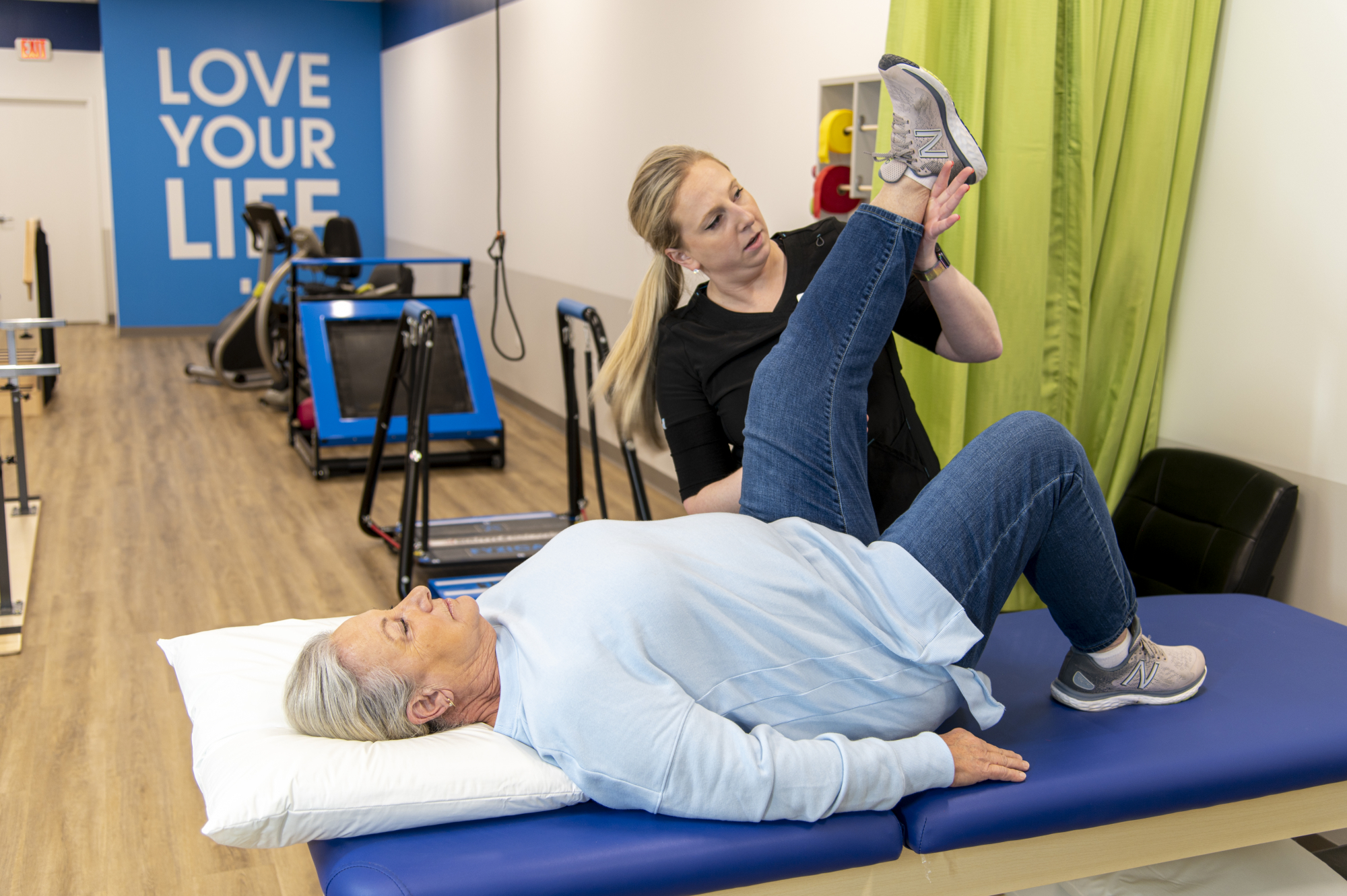
Refining fundamental movement models requires focus to stability, flexibility, and coordination. Stability is vital for maintaining proper alignment during dynamic movements, while range of motion allows the limbs to function freely without limitation. Synchronization ensures that multiple muscular groups work in unison smoothly. For example, a lunge demands the coordination of the pelvis, joints, and ankles while maintaining back position and engaging the midsection. Exercise programs that emphasize precise, deliberate execution of these patterns improve neuromuscular efficiency, enabling the nervous system and muscles to communicate efficiently. Over periods, consistent practice reinforces supporting tissues, improves skeletal health, and enhances overall physical ability.
Improving performance in functional training includes incorporating progression and variety into movements. Beginners may start with weight-free forms of fundamental movements, while experienced athletes can use resistance bands, dumbbells, or unstable surfaces to stimulate strength, balance, and capacity. Progression should adhere to a structured sequence, starting with learning the foundational technique and gradually increasing load, tempo, or difficulty. This approach not only builds muscular ability but also reduces the risk of incorrect movements that can lead to strain. Trainers and trainers often use movement evaluations to detect weaknesses or asymmetries, customizing plans to correct individual needs and optimize practical results.
Regular practice of these core movement patterns builds read this muscle endurance, joint health, and motor coordination. Practical training emphasizes multi-joint exercises that activate several muscular systems simultaneously, creating more efficient and natural motion models. For instance, a press-and-row combination can strengthen the pectorals, lats, deltoids, and biceps while enhancing shoulder stability. Including rotational and resistive movements assists enhance core check it out stability, coordination, and the capacity to produce power in multiple directions. By training the body in ways that replicate real-life demands, people enhance their capacity to execute daily movements, athletic actions, and body intense activities safely and effectively.
Incorporating these essential motion frameworks into a structured program promotes long-term health and peak performance. Practical training not only strengthens muscles but also enhances alignment, control, and total motion efficiency. Correct form and consistent training enable the physique to adjust to functional requirements while reducing the chance of injury. Individuals who consistently train with these principles gain strength, flexibility, and confidence in their movement skills. Whether for athletes seeking competitive advantage or adults aiming for better physical function, mastering and enhancing fundamental movement patterns is a cornerstone of effective functional training.